Project Objectives
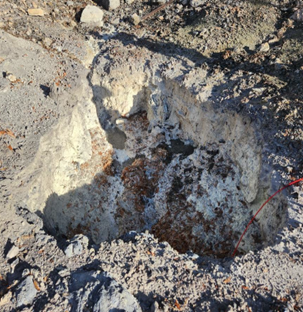
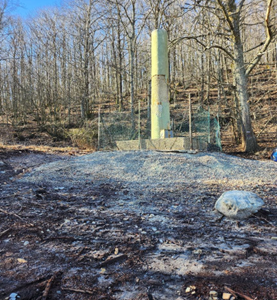
This project investigates the complex interplay between indigenous microbial communities and geochemical fluxes in soil environments, by focusing specifically on soils exposed to high natural fluxes of CO2. These environments, where microbial communities have already adapted to elevated CO2 concentrations, offer a unique opportunity to explore the potential for efficient bioelectrochemical conversion of CO2 into value-added products.
General description
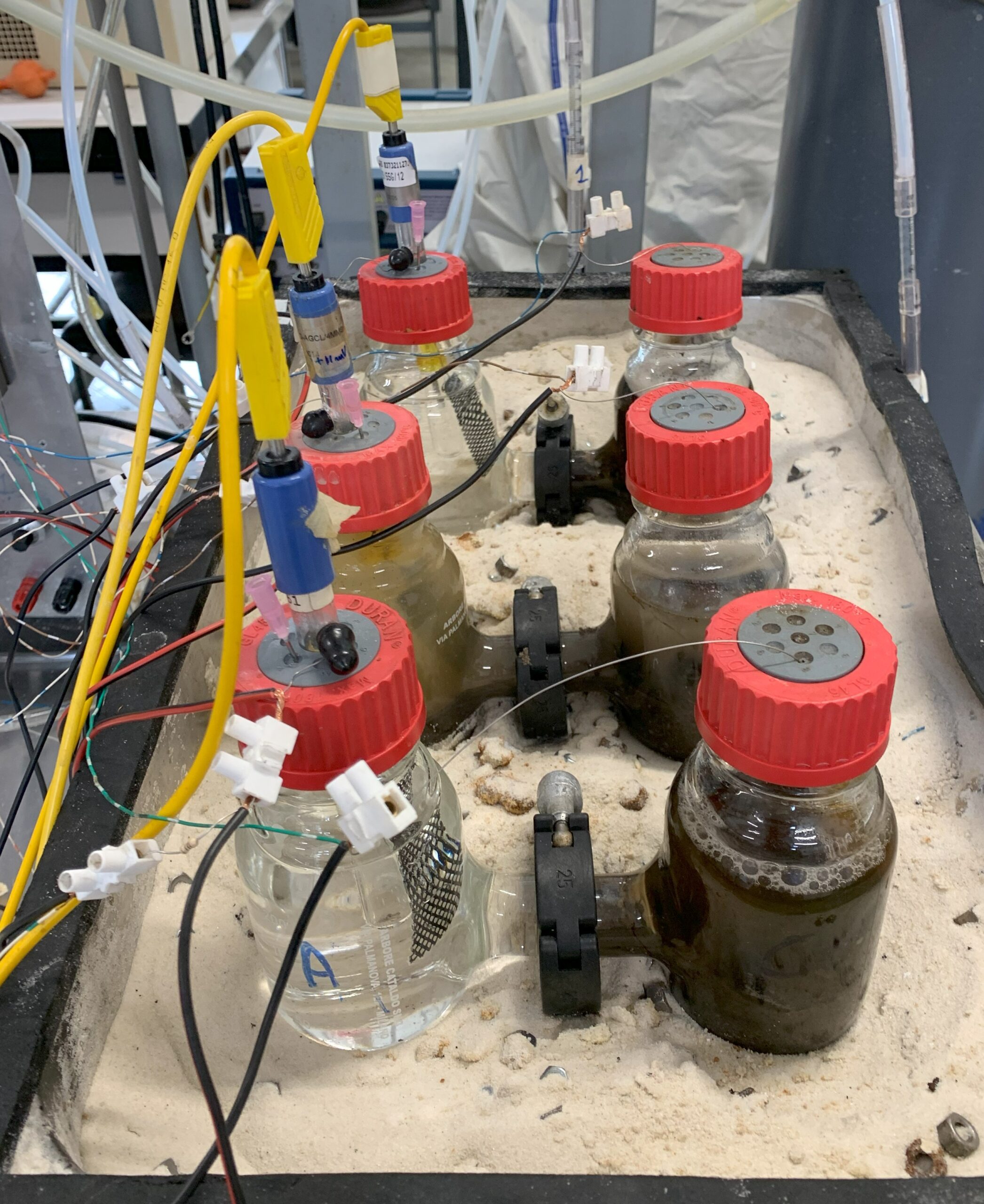
The project involves a comprehensive analysis of microbial communities in selected geothermal areas. To characterize these microbial communities, advanced molecular techniques, including metagenomics and whole genome sequencing, are being employed to investigate changes in microbial community structure and metabolic potential across different sites. Microbial electrosynthesis (MES) experiments are also being conducted utilizing soil samples collected from the geothermal sites. Given the high presence of methanogens, MES experiments are designed to stress methane production. This approach harnesses the metabolic capacity of the indigenous microbial communities to convert CO2 into a valuable source.
By investigating the impact of CO2 on microbial communities and exploring the potential of microbial electrosynthesis for CO2 conversion, this research aims to advance our understanding of the intricate relationship between soil, microbial ecology and sustainable resource utilization. These findings will contribute valuable insights to the development of effective strategies for energy storage and the bioelectrochemical production of value-added compounds through microbial electrosynthesis, potentially paving the way for a more sustainable and circular carbon economy.
Collaboratos
- RSE S.p.A (Tutor: Dr. Pierangela Cristiani)
- Sampling campaign in collaboration with Laboratorio Olfattometrico (Politecnico di Milano)
Photos