Project Objectives
The aim of this PhD project is to study and analyze the characteristics of the soil resulting from biological treatments to determine its compatibility as soil for restoration ecology.
General description
Bioremediation is a sustainable, low-impact approach to managing contaminated soil. It enables the restoration of ecological functionality and the incorporation of these materials into the circular economy. However, for remediated soil to be safely reused, it is essential to develop a biological quality classification system that considers the soil’s chemical and physical properties, as well as its biological responses.
This PhD project aims to develop the reuse of bioremediated hydrocarbon-contaminated sediments in restoration ecology and cultivation (for non-food crops). The work was organized into three main activities that integrate conceptual, methodological and technological aspects:
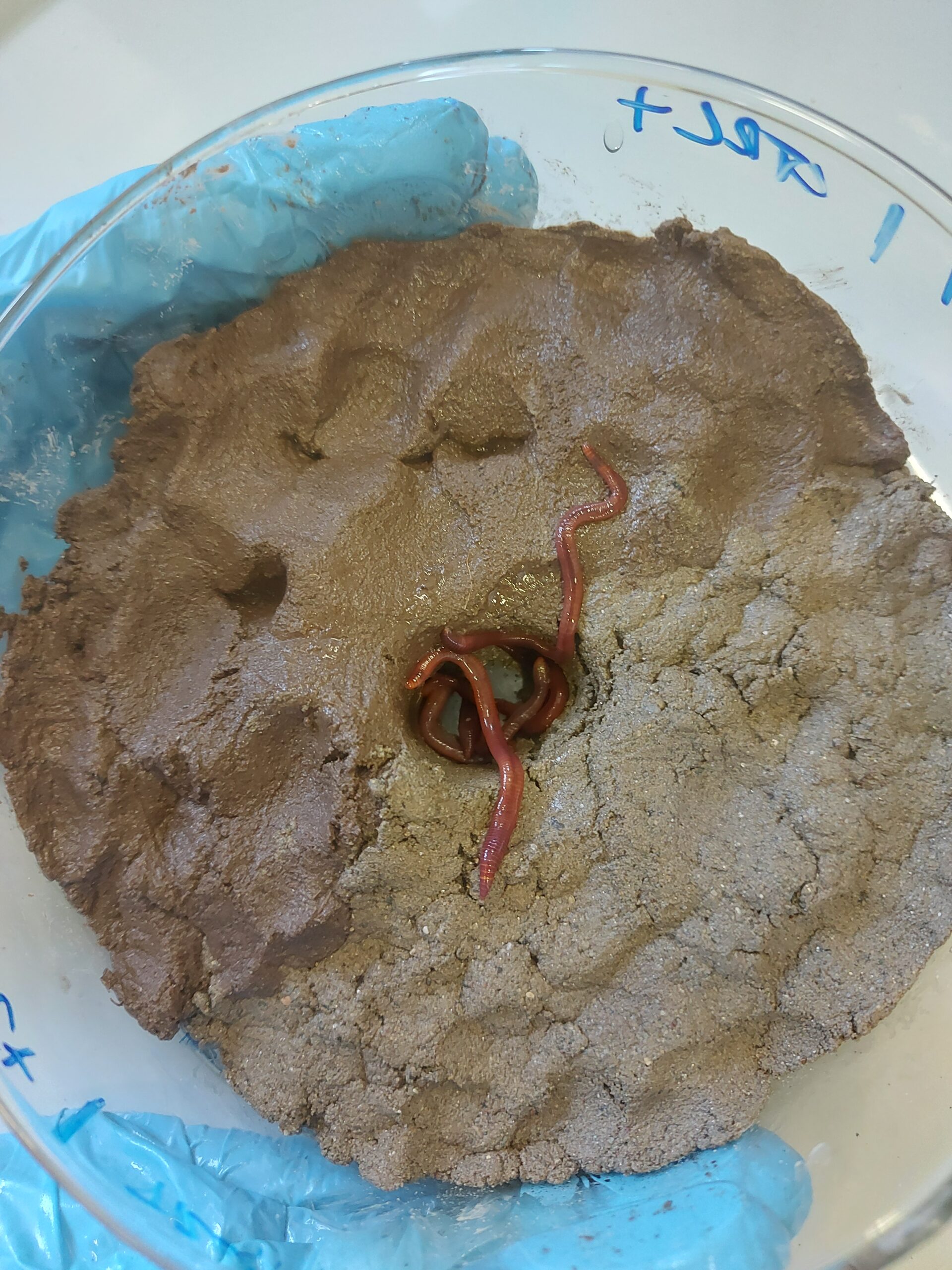
1) A normative and methodological framework has been developed to define ecotoxicological criteria and procedures for interpreting bioassay results. The purpose of this framework is to provide reference guidelines for the reuse of bioremediated soils. This protocol is validated by applying it to thirteen soil samples from full-scale bioremediation plants, which enables the development and testing of innovative methodologies for assessing soil quality. Specific analyses are then performed to identify the chemical, physical and biological parameters that strongly influence avoidance and attraction responses, further refining the interpretation of ecotoxicological data.
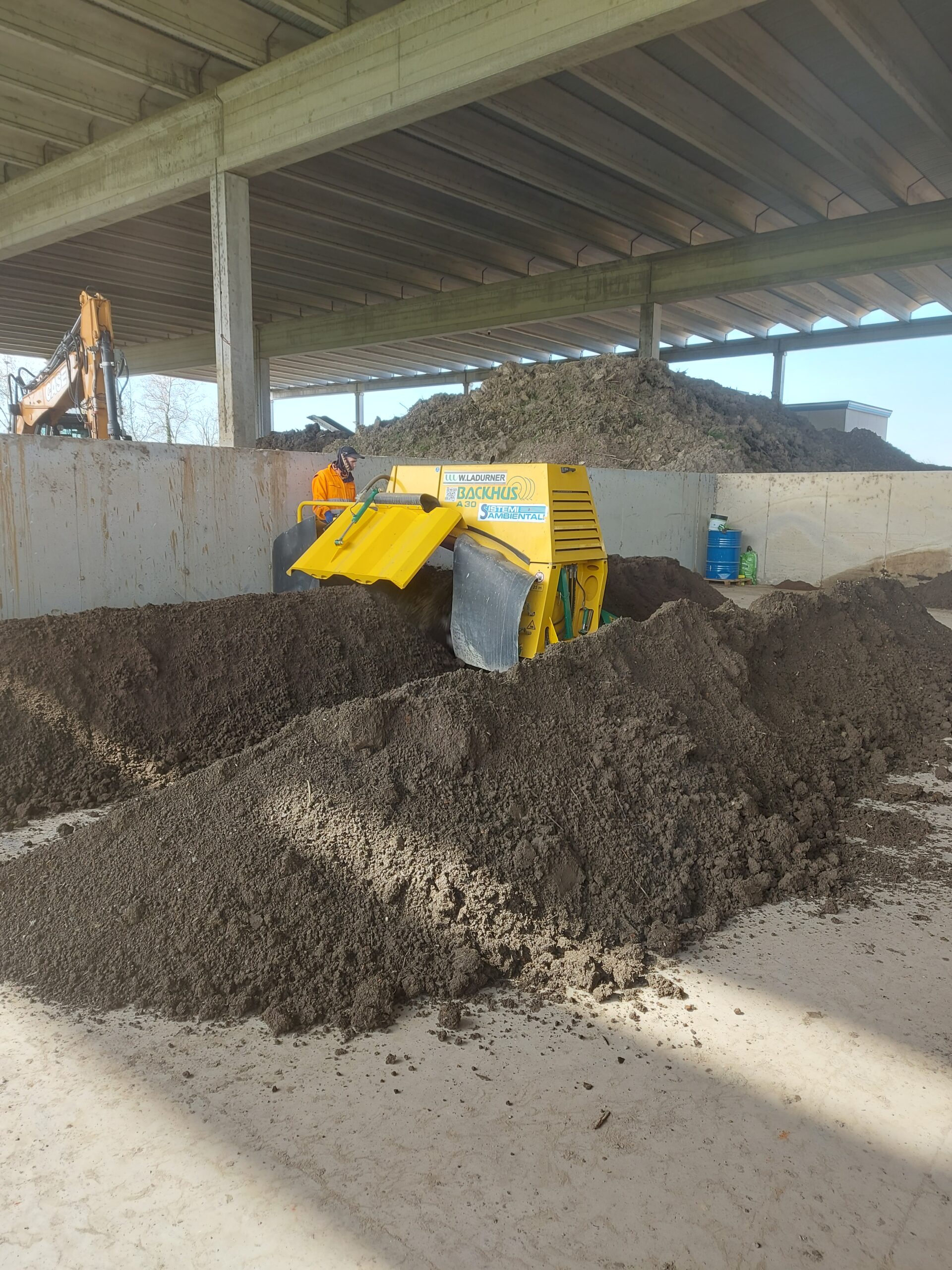
2) In parallel, the project explores technological solutions to address the persistence of invasive seeds within bioremediated sediments. Experimental treatments are designed to test the effect of organic amendments (thermal action), mechanical turning and biopile size (mass effect) on reducing viable seeds. The aim is to develop reliable strategies to mitigate this problem.
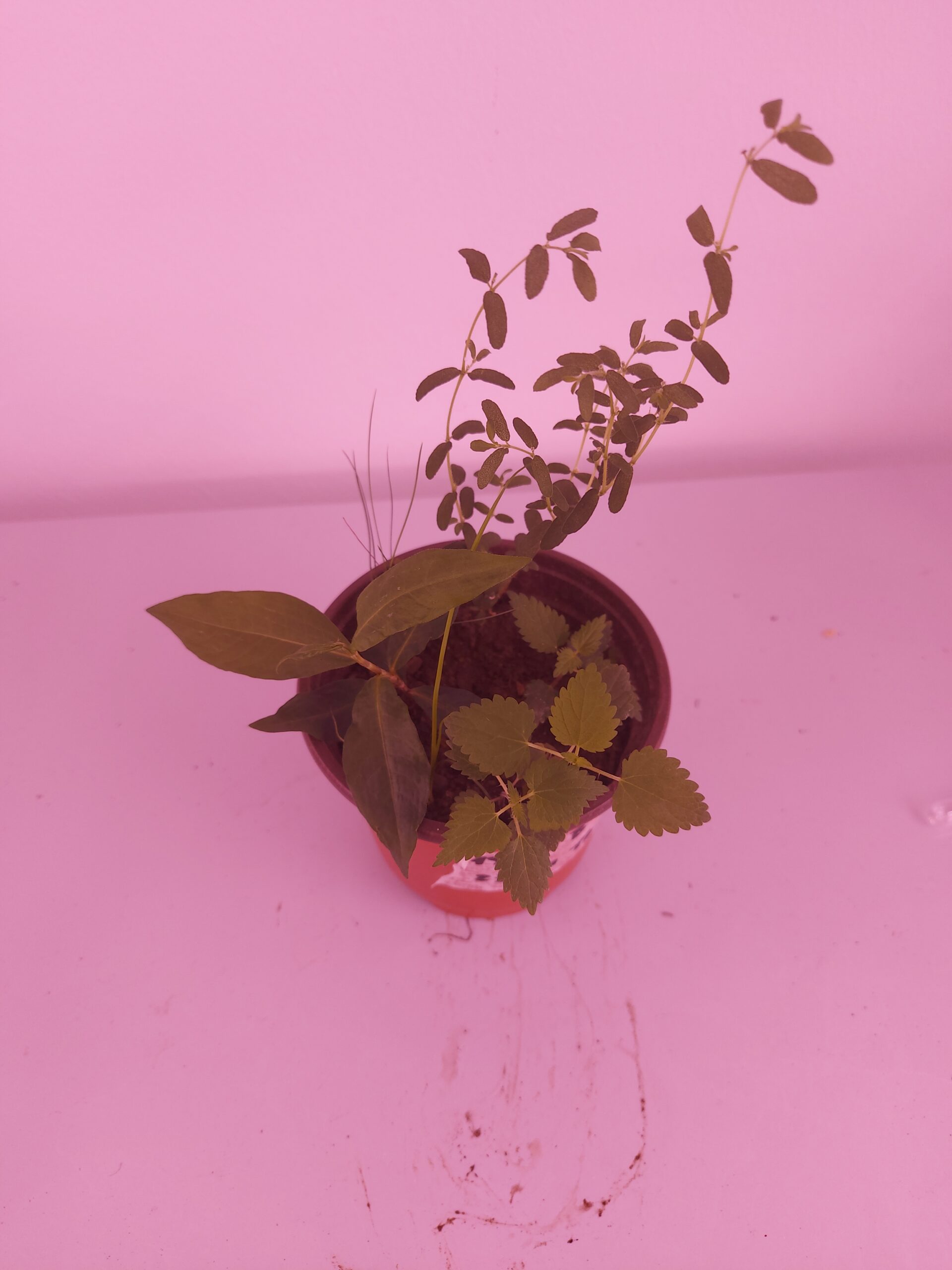
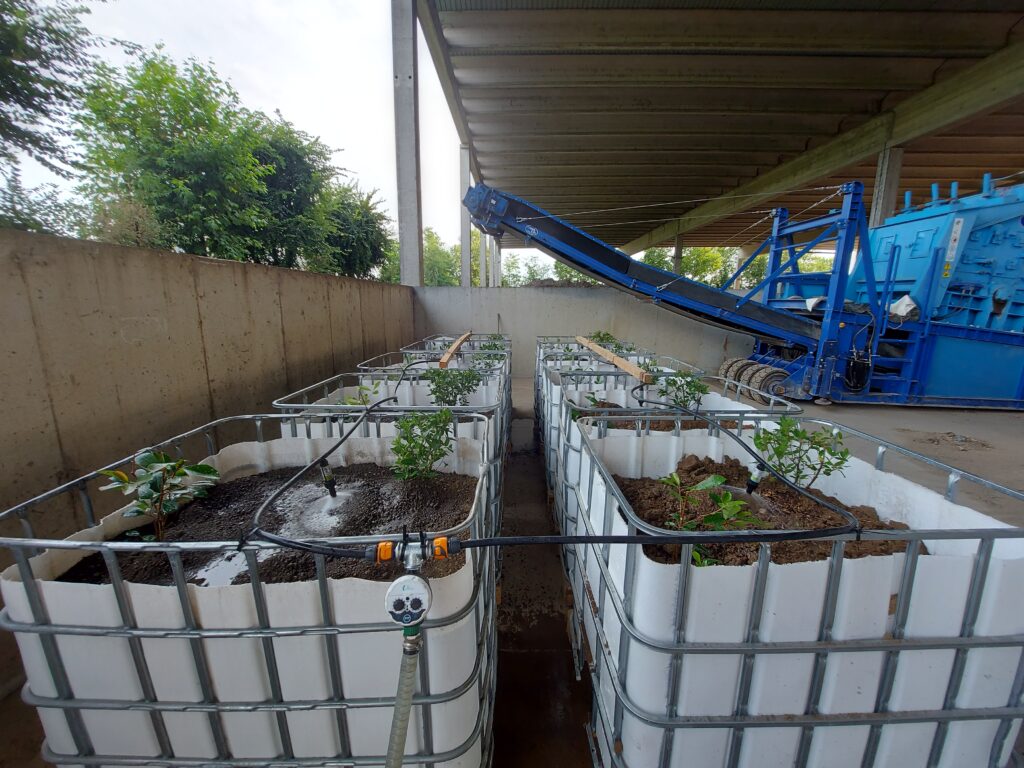
3) Finally, the functional value of bioremediated soil as a growing medium is tested in direct comparison with agricultural soil. Using plant growth assays with species such as Viburnum and Photinia, the study verifies whether bioremediated soils can support comparable vegetation development, thereby confirming their potential as a sustainable resource for ecological restoration and agriculture.
Collaborators
Sistemi Ambientali s.r.l.
Photos