Project Objectives
Atmosphere-Cryosphere interactions occurring at the margin of the Antarctic ice sheets (AiS) are largely unknown. The deposition and resurfacing of light-absorbing impurities (LAIs) such as mineral dust, carbonaceous particles, microorganisms and algae, may decrease ice albedo and locally increase the surface temperature, promoting melting processes. Despite some recent studies explored the darkening of South-West margin of the Greenland Ice Sheet (GiS) using field measurements and satellite data, nothing similar is available for Antarctica. With this project, we will test the effect of organic and inorganic impurities on ice albedo in the ablation zone of some marginal Antarctic glaciers.
General description
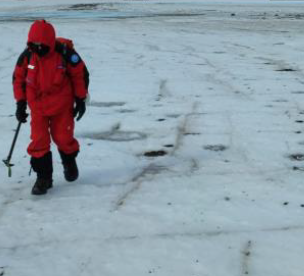
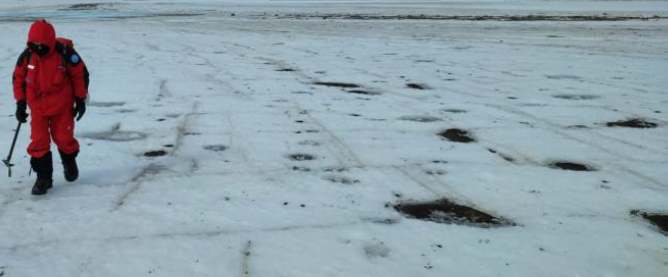
A field campaigns will be organized in the surroundings of the Mario Zucchelli Station (MZS) in order to collect surface samples of snow and ice, and to determine the concentration of organic and inorganic impurities. Field measures of the surface reflectance will be also acquired and compared with satellite data from NASA (Landsat 8 OLI and TIRS) and ESA (Sentinel 2) sensors. A retrieval algorithm will be developed to map the presence of LAIs, exploiting the field data. Field spectroscopy data will be used to estimate the surface radiative forcing of LAIs.
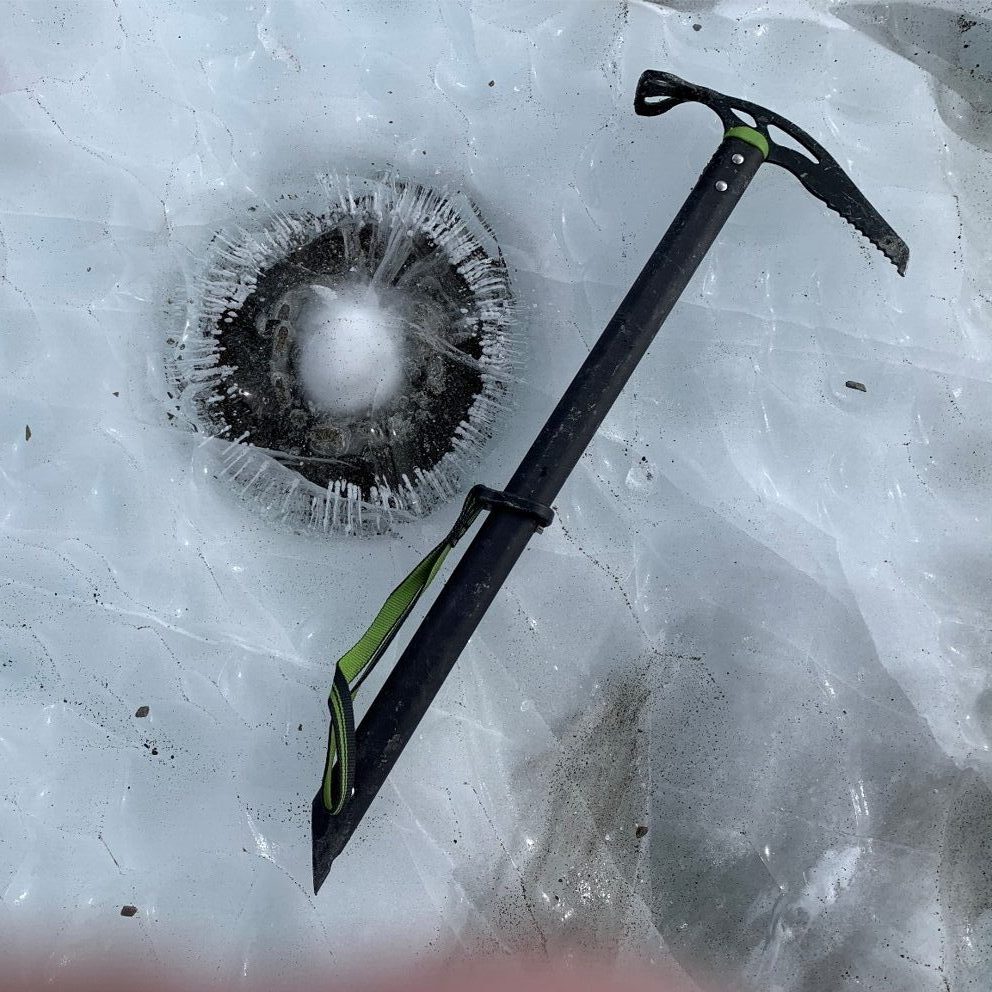
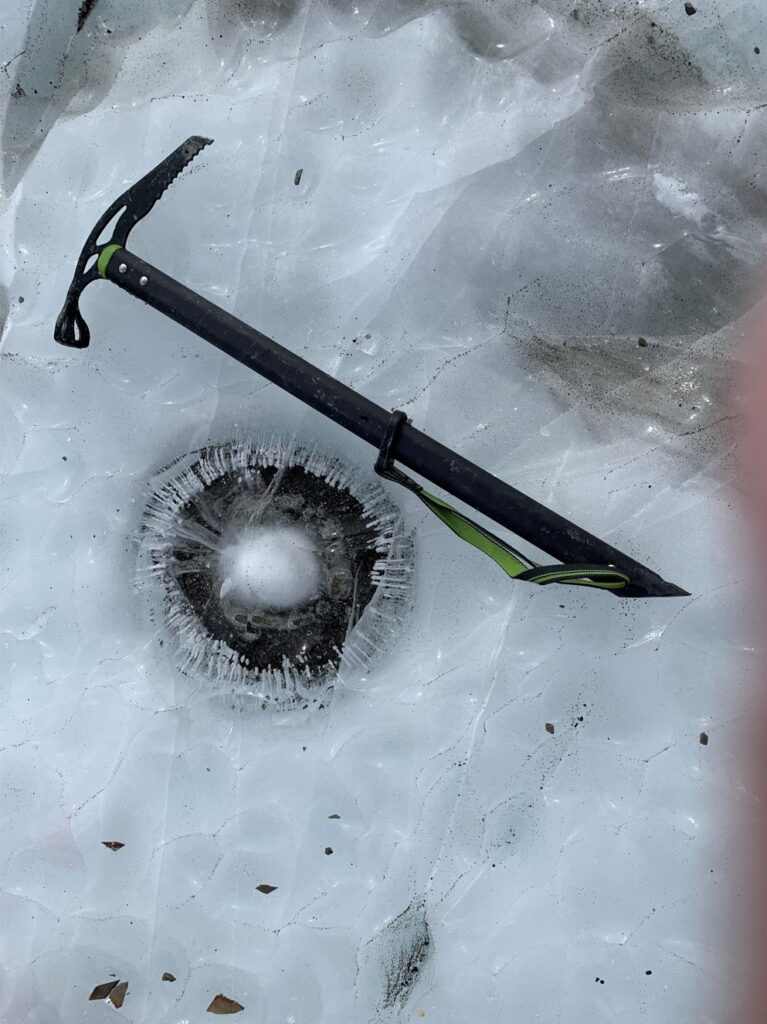
It is known that mineral dust, together with inorganic carbon (or “black carbon”), play a fundamental role in promoting darkening processes, but the relations between the inorganic and organic content of the supraglacial sediment (i.e. cryoconite), and its effect on the surface albedo have been only marginally explored. In the framework of this project, we will sample material from the glacier surface and from ice-free areas surrounding the sites selected to the aims of this project, in order to understand the origin of the material, and to determine the role of inorganic (mineral dust and inorganic carbon) or organic material (such as microbial and algal organisms) in surface darkening of the glaciers in AiS.
Collaborators
Photos