Project Objectives
The ECLIPSE project focuses on the exploitation of the phyllosphere microbiota for improving air quality in urban environments.
General description
Despite this, their potential, the ecosystem functions of phyllosphere microbes related to biogeochemical cycles and, particularly, to the degradation of organic air pollutants have been poorly investigated. The combination of air pollutants adsorption on leaves and their microbial biodegradation represents a new branch of biological remediation technologies called “phylloremediation”, that specifically aims at reducing air pollution. This project aims to broaden the basic knowledge for the development of effective phylloremediation strategies and to demonstrate the biotechnological potential of the phyllosphere microbiome, pursuing the following general objectives:
- determination of the ecological factors and the plant traits influencing the structure and the functionalities of pollutant-degrading phyllosphere microorganisms in urban areas.
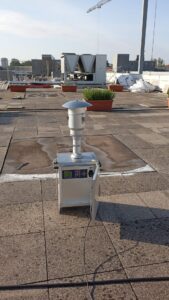
- Estimation of the contribution of phyllosphere microbes to the removal of organic pollutants from urban air.
- Production of a plant prototype with enhanced phyllosphere microbiome for air pollution treatment;
The project is structured in 4 scientific Work Packages-milestone (WPs) that includes scientific and technical as well as project coordination and dissemination actions.
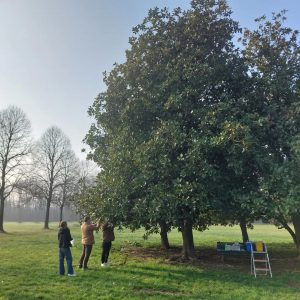
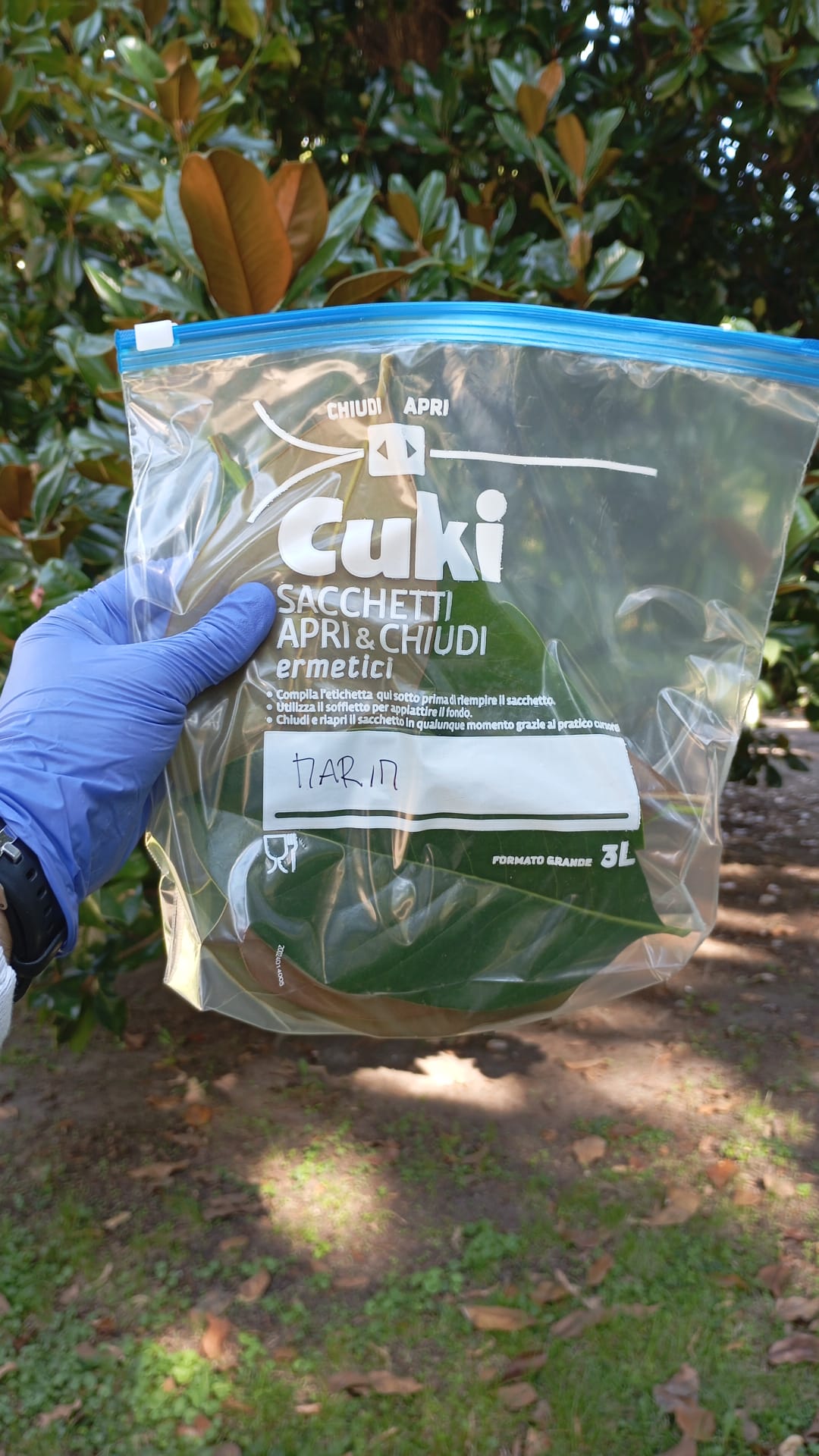
The aforementioned objectives 1) and 2) are mainly addressed by WP1, which is aimed at addressing the ecology of the phyllosphere microbiome and its related environmental ecosystem services. Objective 3) is targeted by WP2 and WP3 that aim to isolate and characterize PAHs-degrading epiphytic microorganisms and to exploit them as an inoculum for generating a plant prototype featuring an enhanced phyllosphere microbiome for the amelioration of urban polluted-air.
Collaborators
- University of Perugia, IT
- University of Viterbo, IT
Photos