Project Objectives
The aerobic biodegradation kinetics of hydrocarbons in contaminated soils are often limited by three main factors: (i) the low presence of nutrients, (ii) the low bioavailability of the contaminants, and (iii) the reduced presence of hydrocarbon biodegradative capabilities in the microbial soil community. To overcome these limiting factors, several commercial products have been introduced to the market in recent years. We provide support for the investigation of the physicochemical, biodegradative capabilities, and environmental characteristics of these products, as several properties define their efficacy, efficiency, and environmental compatibility.
General description
In particular, we can investigate:
- (i) the elemental composition (CHNP) of products containing inorganic or organic substances e/o amendments;
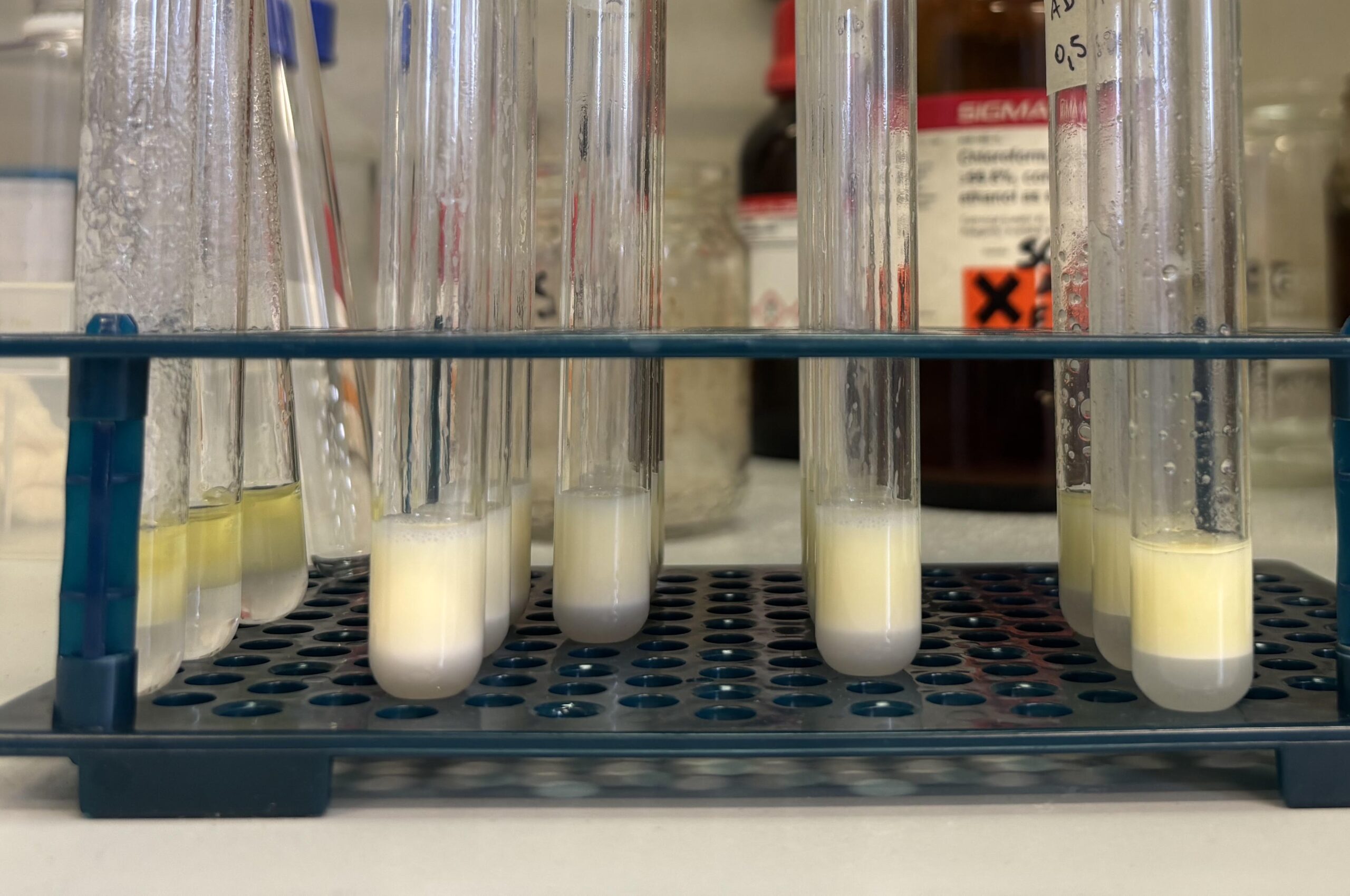
- (ii) the surfactant capabilities (surface tension; critical micelle concentration), the interaction between product and contaminant (emulsification test – 24h), and soil and contaminants (adsorption test – 24h) for products containing surfactants of both biological and chemical synthesis;
- (iii) the relative abundances of the microbial communities (Next Generation Sequencing through MiSeq Illumina platform of taxonomic genes); the number of copies of taxonomic and functional genes throught qPCR analyses of products containing microbial inoculants with hydrocarbon-degrading capabilities.
To evaluate the environmental compatibilities of the products, we investigate:
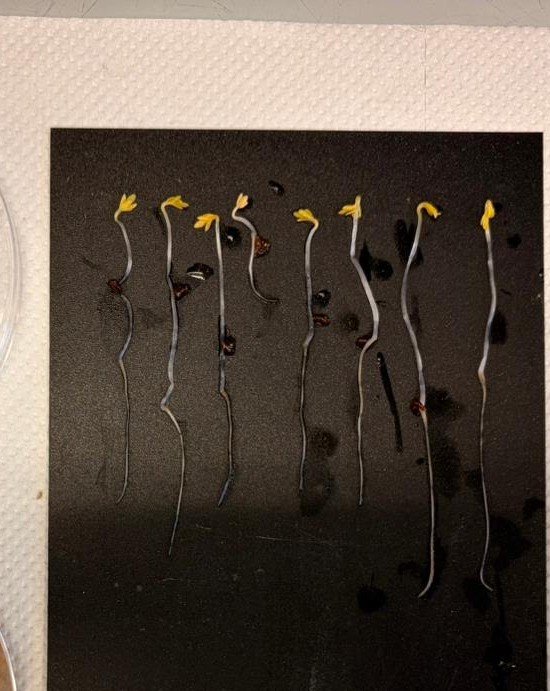
- the ecotoxicity (germination and root elongation test with Lepidium Sativum – 72h);
- the biodegradability (BOD5/COD test).
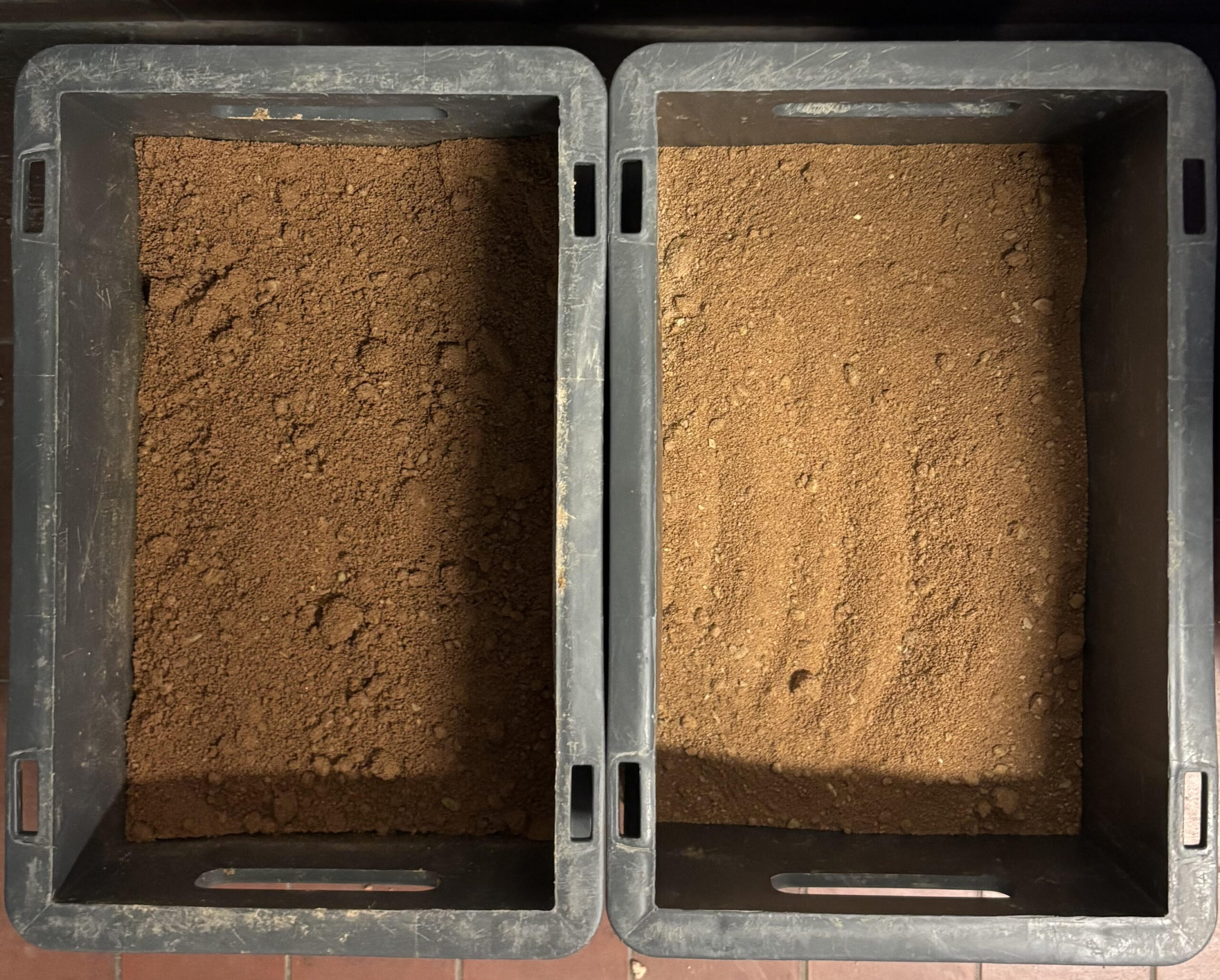
We perform microcosm tests at laboratory scale to assess the efficiency of products in enhancing the hydrocarbon biodegradation rate in a specific remediation intervention. We monitor the process through:
- chemical analyses – concentration of the contaminant through GC-FID;
- microbiological analyses – the relative abundances of the microbial communities (Next Generation Sequencing through MiSeq Illumina platform of taxonomic genes); quantitative PCR of taxonomic and functional genes;
- ecotoxicological analyses – germination and root elongation test with Lepidium Sativum – 72h.
Collaborators
Photos